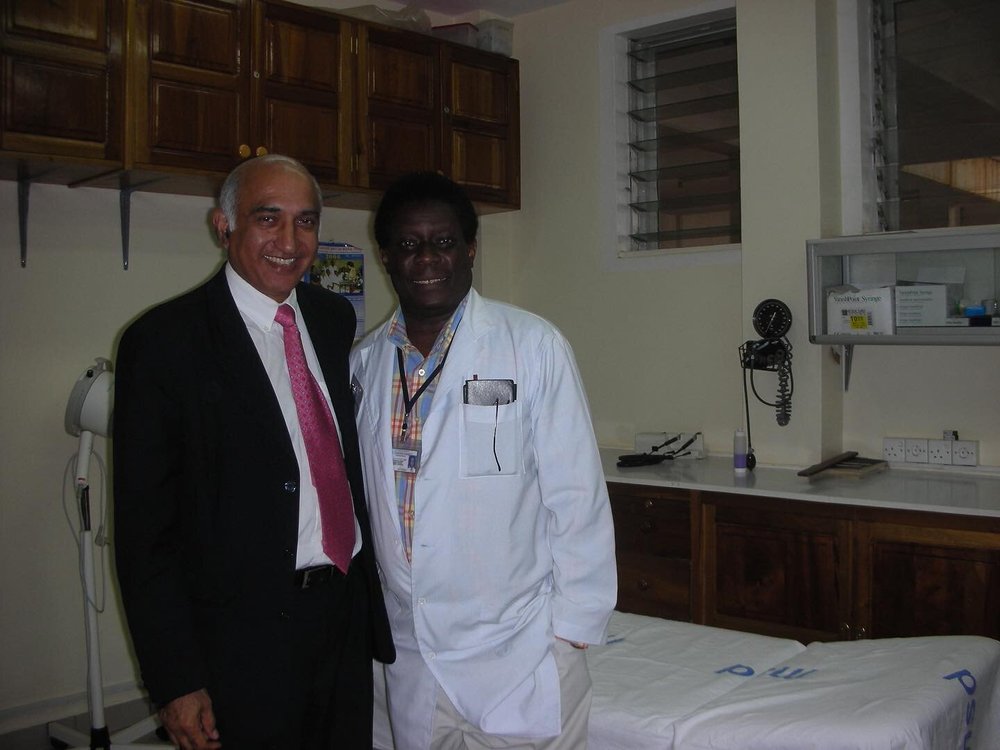
First patient treated at Kilimanjaro Christian Medical Centre
View →
11
Countries served across Africa, the Caribbean and Asia
View →
10
Publications listed by SKCF, 2007 to 2016
View →
4
International nephrology society partners
View →
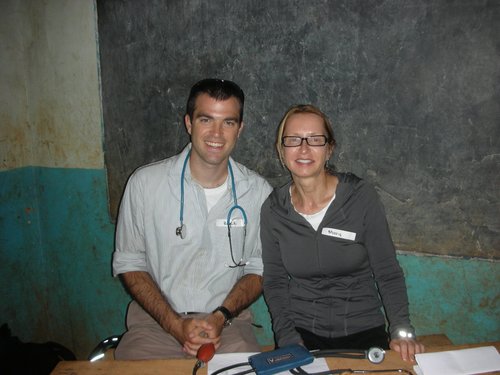
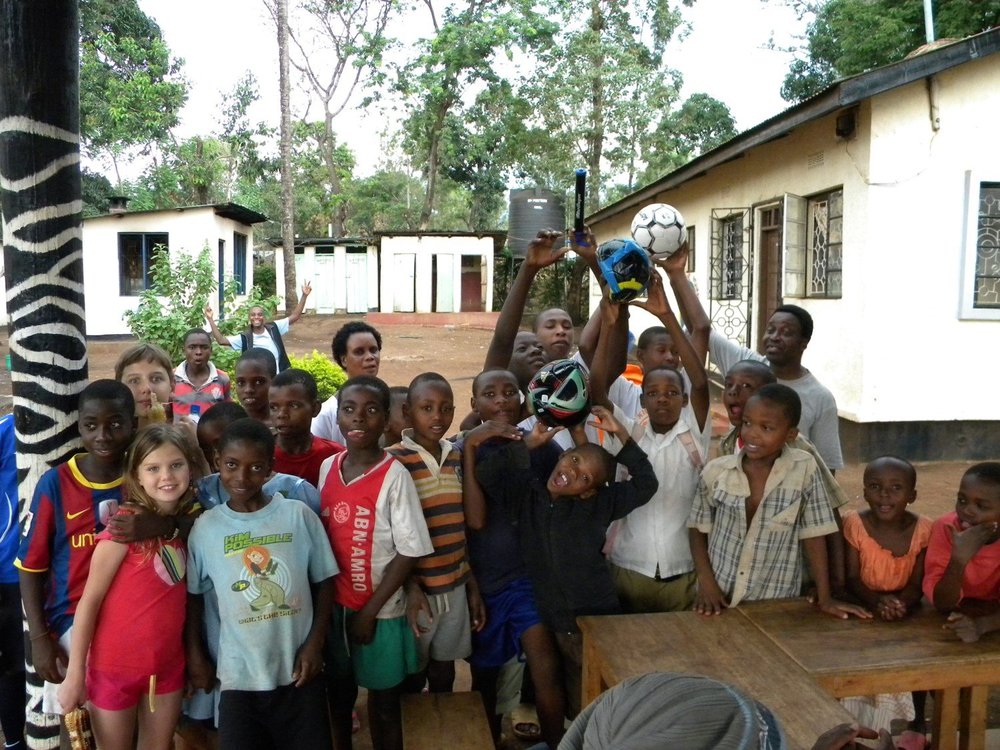
Dr. Mary Malewicz-CarterCo-Founder & Executive Director, with children SKCF serves
Our founder in the field
Care that starts with showing up
SKCF’s co-founders work side by side with local hospitals to start acute kidney injury care where none exists, then train the teams who keep it running. The goal is simple: no child or young mother should die of a treatable kidney injury.
Programs built with partner hospitals since 2009
Local doctors and nurses trained to run them
Focus on children under five and women of childbearing age
Acute kidney injury is a sudden loss of kidney function, often caused by infection, dehydration or complications of pregnancy. With a few days of dialysis, many patients recover fully. Where dialysis does not exist, the same injury is often fatal.
13.3Mpeople develop acute kidney injury each year
85%of them live in low- and middle-income countries
1.7Mdeaths each year are linked to AKI; about 1.4M are in low- and middle-income countries
as little as $150to treat one patient, according to The Lancet and ISN
Sources: Mehta RL et al., The Lancet, 2015 (ISN 0by25 initiative); International Society of Nephrology; Lancet and ISN commission release.
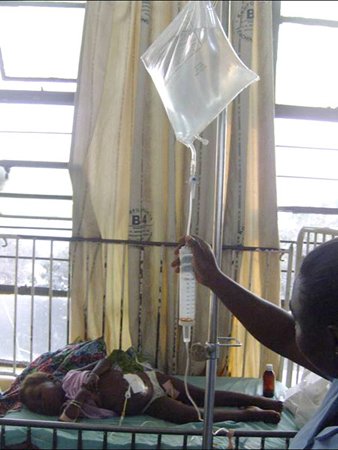
An infant treated in Ghana. Children under five are a core SKCF focus.Dialysis: routine in wealthy countries, missing in many others.
2.28Mpeople, at least, may have died prematurely in 2010 because dialysis or a transplant could not be accessed. The largest gaps were in low-income countries.
The care gap, by the numbers
The United States compared with countries where SKCF works.
Source: World Bank World Development Indicators, data updated November 11, 2026. Physicians per 1,000 people (United States 2022, Tanzania 2022, Nigeria 2023, Benin 2023); under-5 mortality (2024); maternal mortality, modeled estimate (2023). Ratios are rounded.
Where we serve
Programs in 11 countries
Hover over a country to see its program sites, partner hospitals and start years. Click to pin the details.
All 12 program locations Select one to see details
11countries served
12program locations
3regions: Africa, Caribbean, Asia
2009first site, Moshi, Tanzania
How we work
A model built to outlast us
We start with supplies, build local skill, then hand programs to national health systems.
SupplyTrainSustain
01 SUPPLY
Get treatment to the bedside
We procure and ship peritoneal dialysis supplies, a simple, gravity-driven therapy that works without a hemodialysis machine.
Moshi, 2009: supplies shipped from Germany to Dar es Salaam, then 545 km by truck.
Learn more →
02 TRAIN
Build local expertise
We support training for the physicians and nurses who deliver kidney care, so programs run on local skill.
KCMC: now has its own nephrologist, trained in Cape Town, with more in training.
Learn more →
03 SUSTAIN
Hand off to national systems
We work toward government funding and insurance coverage, so treatment continues without us.
Tanzania: dialysis is now covered by the National Health Insurance program.
Learn more →
Our mission
Care where it is missing, built to last
Acute kidney injury is often treatable and reversible. Where dialysis is unavailable, it can be fatal. SKCF provides affordable, sustainable treatment and supports training and research for those who deliver kidney care in parts of the world where little or none exists.
Source: United Nations, Transforming our World: the 2030 Agenda for Sustainable Development.
Milestones
From a plan to a network
What SKCF launched and published each year, with today’s health picture in each country.
Click any year, or use the arrows or your arrow keys
Case study · Moshi, Tanzania
From one patient to a national program
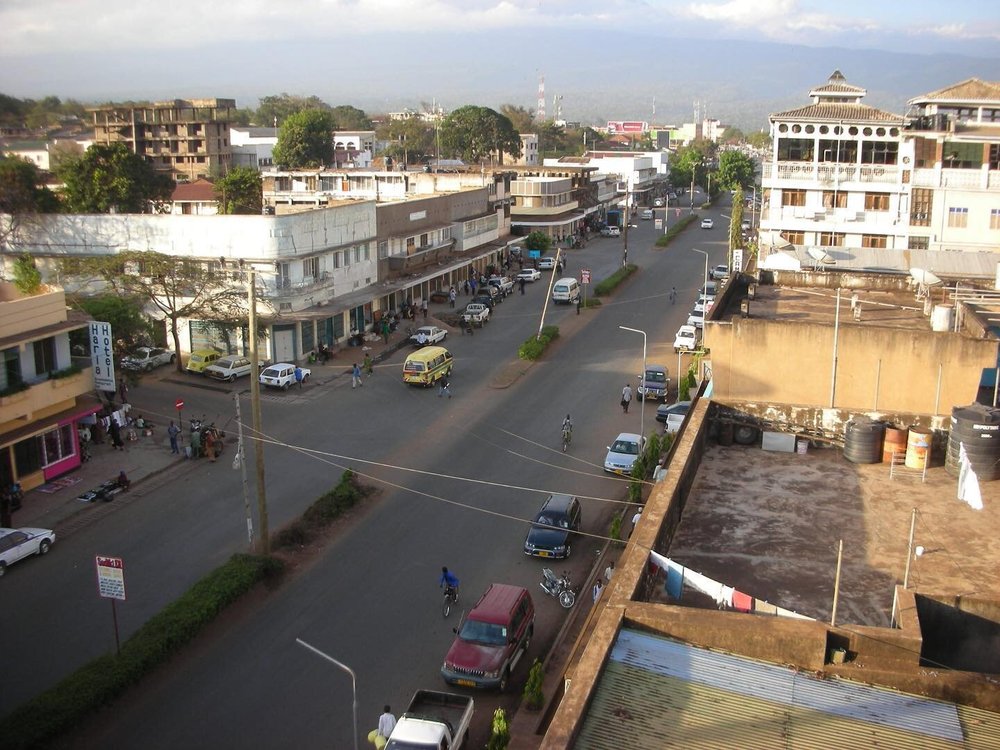
In 2009, SKCF launched its first AKI treatment program at Kilimanjaro Christian Medical Centre. The first patient was a young mother with AKI from transient high blood pressure. She went home six days later to care for her newborn son.
GermanyDar es SalaamMoshi· 545 km (345 mi) by truck
2009
Gravity-driven peritoneal dialysis program launched; first patient treated.
Training
KCMC's own nephrologist completes training in Cape Town; nephrology nurses trained.
2016
Five-station hemodialysis clinic built with Ministry of Health funding.
Today
Dialysis covered by the National Health Insurance program, with micro-insurance schemes extending access to rural communities.
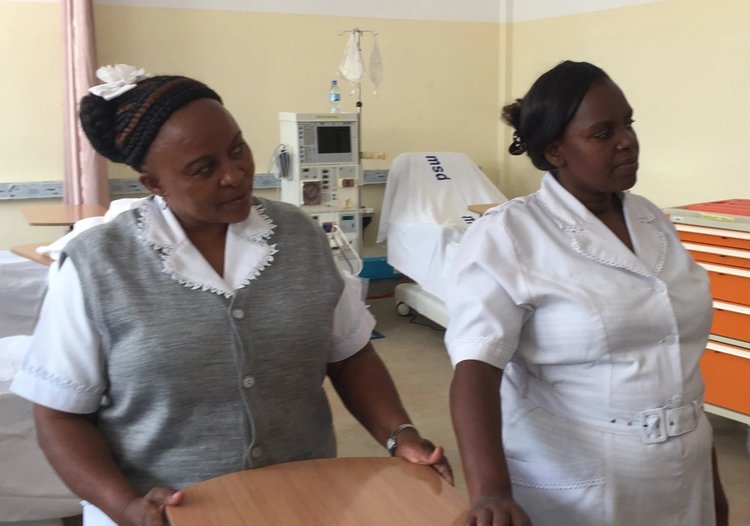
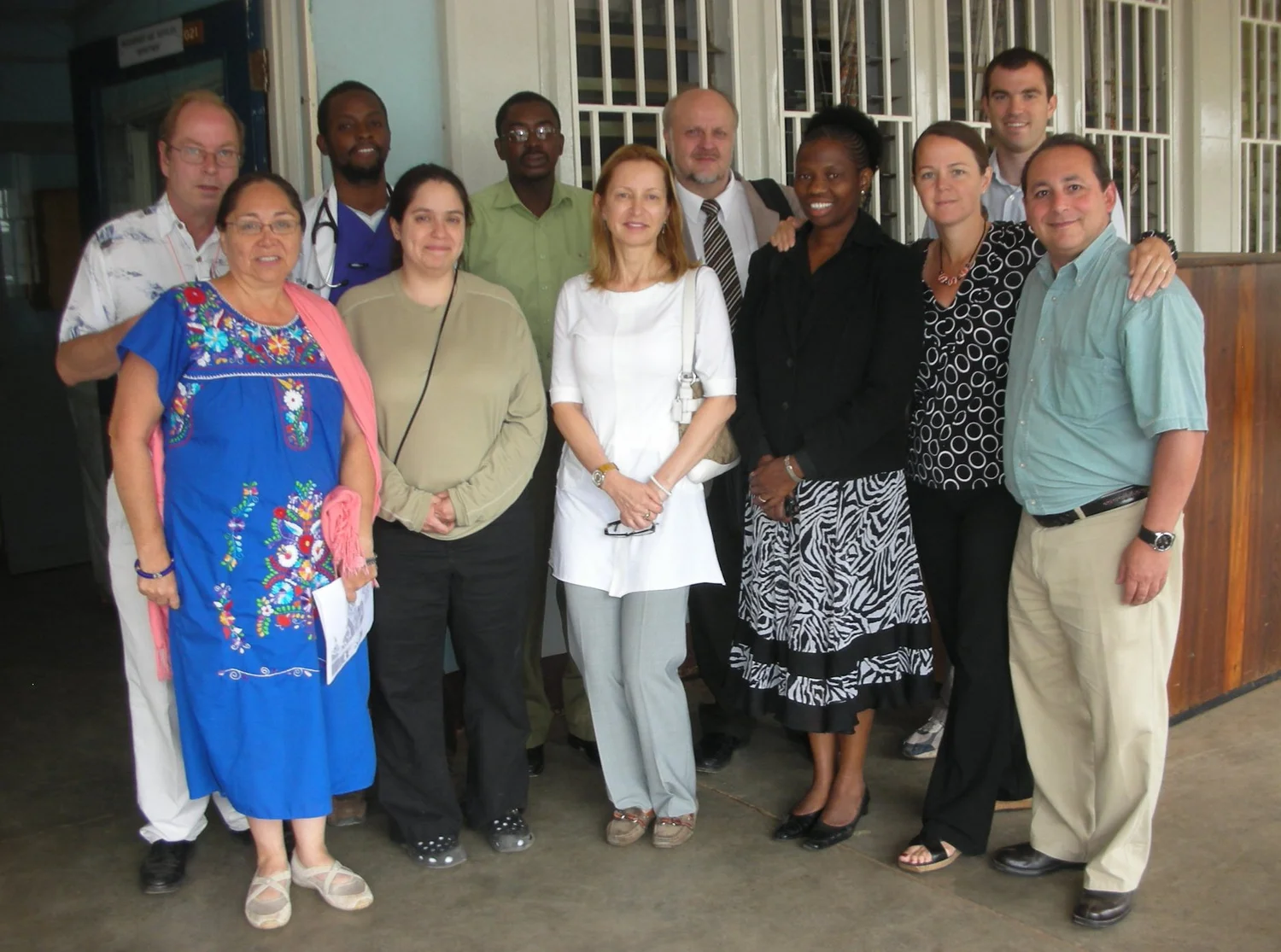
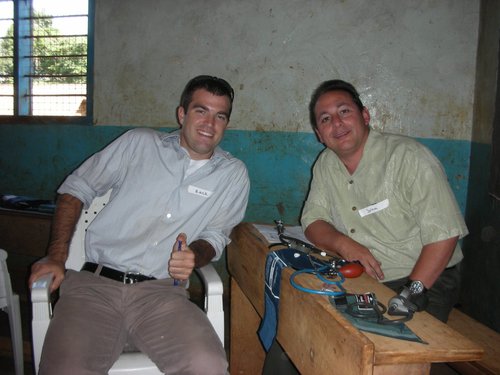
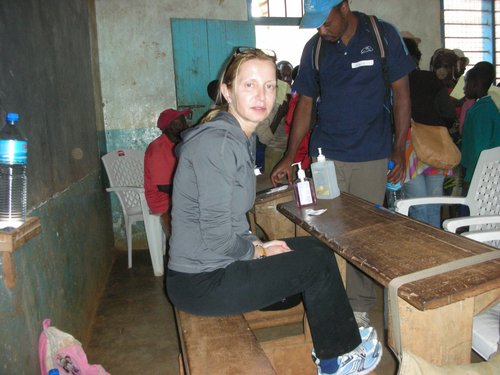
The SKCF team at Kilimanjaro Christian Medical Centre, Moshi, July 2009.
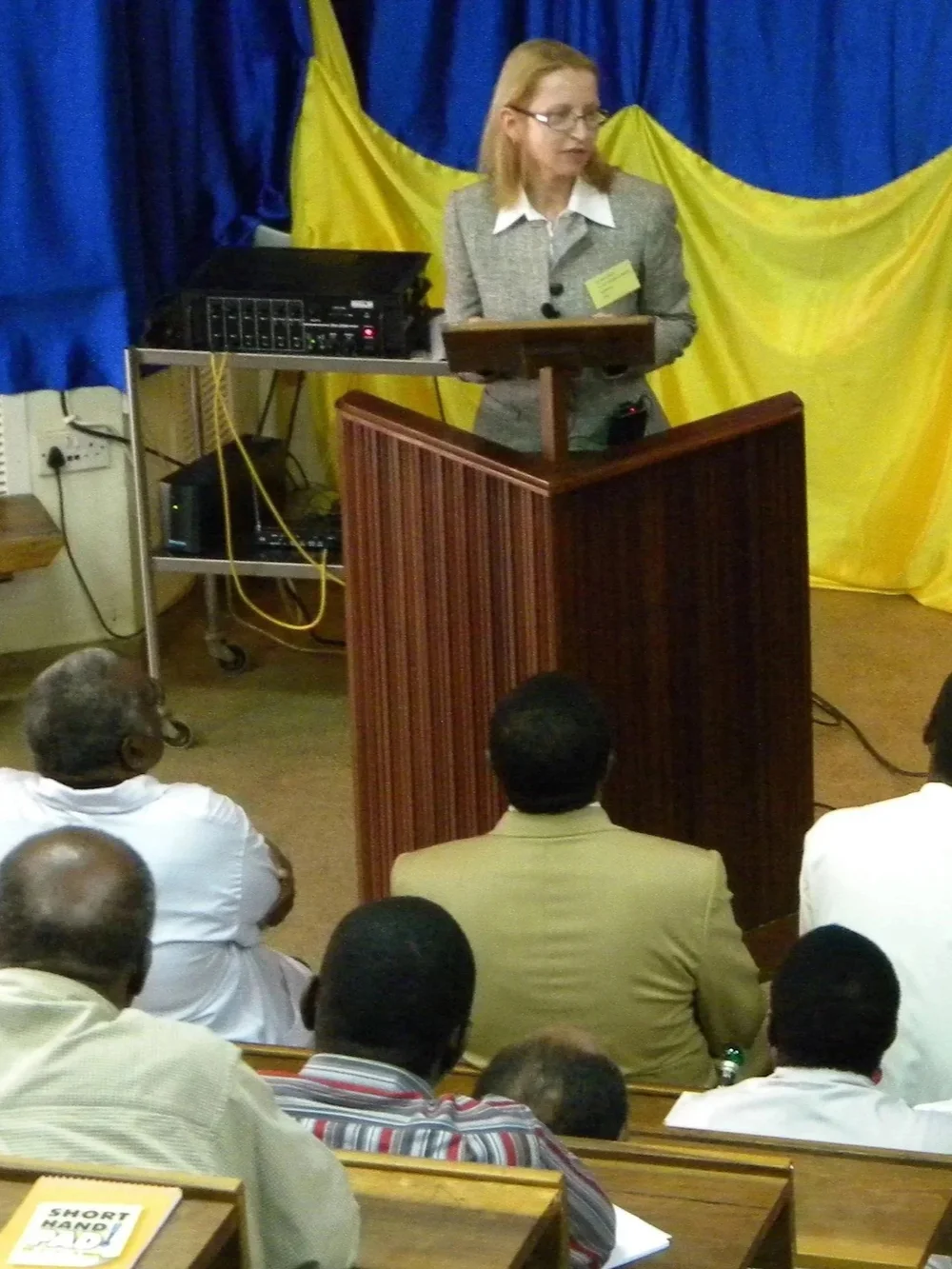
Moshi, July 2009Moshi, July 2009Moshi, July 2009
Team & boards
The people behind the work
Gallery
Photos from the field
Partner hospitals, training visits, conferences and community events, 2009 to today.
Publications
Evidence from the field
24 publications: the 10 SKCF lists, plus 14 related papers by the same authors and advisors, all verified on PubMed.
No publications match that search.
Donate
Your gift keeps treatment within reach
SKCF is a 501(c)(3) public charity. Donations are tax-deductible to the extent allowed by law.
1
Dialysis supplies
Peritoneal dialysis materials, procurement and freight to partner hospitals.
2
Clinical training
Skills for the physicians and nurses who deliver kidney care locally.
3
Research
Low-cost diagnostics and outcome studies that shape care in low-resource settings.